

10 AM TO NOON, PACIFIC TIME
Friday
Oct 30
Saturday
Oct 31
Sunday
Nov 01

There is a world that has never stopped speaking to you. It speaks in the language of watershed and wind, of hawk shadow crossing a sun-warmed field, of mycelium threading the dark beneath our feet. It speaks in the older stories, the ones our bodies still remember even when our minds have forgotten. It has been calling us home for as long as we have been wandering.
This symposium is a response to that call.
Over three days, we gather a rare community of poets, mythologists, ecotherapists, Indigenous knowledge keepers, educators, memoirists, and nature writers — voices who have made it their life's work to listen, to translate, to tend the relationship between human and more-than-human worlds. Together, and with you, we will explore the three qualities that make that relationship not only possible but sustaining: belonging, relationship, and reciprocity.
Who am I when my open heart accepts nature exactly as She is?
Who am I when Nature does the same for me?
When I listen to resonance and sense belonging, who do I become?
When I experience relationship in my deep humanness, how does nature respond?
When we live reciprocally in a constant state of awe and gratitude, who might we become together?
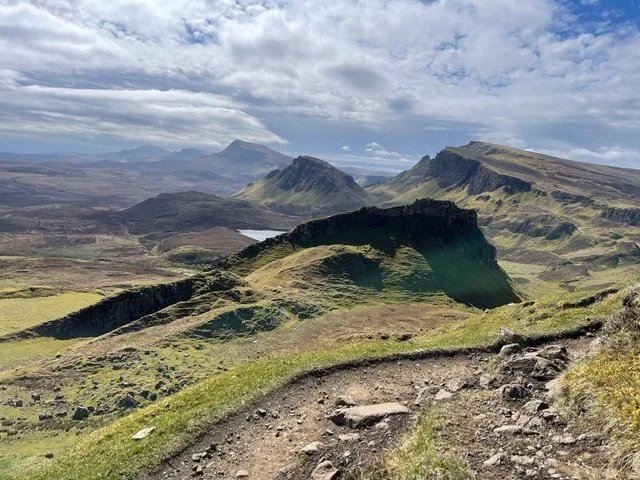
This is not a conference about nature. It is a practice of returning to it — of embracing our own wild wisdom, aliveness, and creativity.
Over three days, we gather a rare community of poets, mythologists, ecotherapists, Indigenous knowledge keepers, educators, memoirists, and nature writers — voices who have made it their life's work to listen, to translate, to tend the relationship between human and more-than-human worlds. Together, and with you, we will explore the three qualities that make that relationship not only possible but sustaining: belonging, relationship, and reciprocity.

THREE DAYS, THREE THEMES, ONE CONVERSATION
Day 1: Belonging
What happens when we extend our sense of self beyond the human world into the more-than-human world? When we discover that the creek is an aspect of our inner terrain as much as the hawk soaring over head? In looking at widening circles of belonging we become not smaller and more defended, but larger and more porous.
Questions this day might open with:
What creates belonging? What practices of belonging do you carry? What place has claimed you — not just which place do you belong to, but which place has reached out and taken hold?


Day 2: Relationship
The invitation here is to hold the human relational dimension while steering steadily toward the more-than-human. Building relationship with the natural world begins with presence. Through exploration, storytelling, poetry, and deep listening we weave the threads of connection. We open ourselves to kinship with the Earth community through storytelling, poetry, dialog, etc.
Questions this day might open with:
How do you build relationship with nature in the face of so much loss? What does it mean to tend a relationship with something that cannot speak back in words? How do you cultivate relationship with river, or meadow, or some wild creature?

Day 3: Reciprocity
Reciprocity is a natural outgrowth of love and care. It’s about tending, nurturing, gifting. Reciprocity turns a personal practice into a form of ecological reparation. It reframes ecological engagement as ethical obligation.
Questions this day might open with:
What gifts are you ready to offer the world, freely and with love? What would it mean to participate in the renewal of Earth — not as a grand gesture, but as a daily orientation? What do we have to grieve before we can give?
Your Hosts

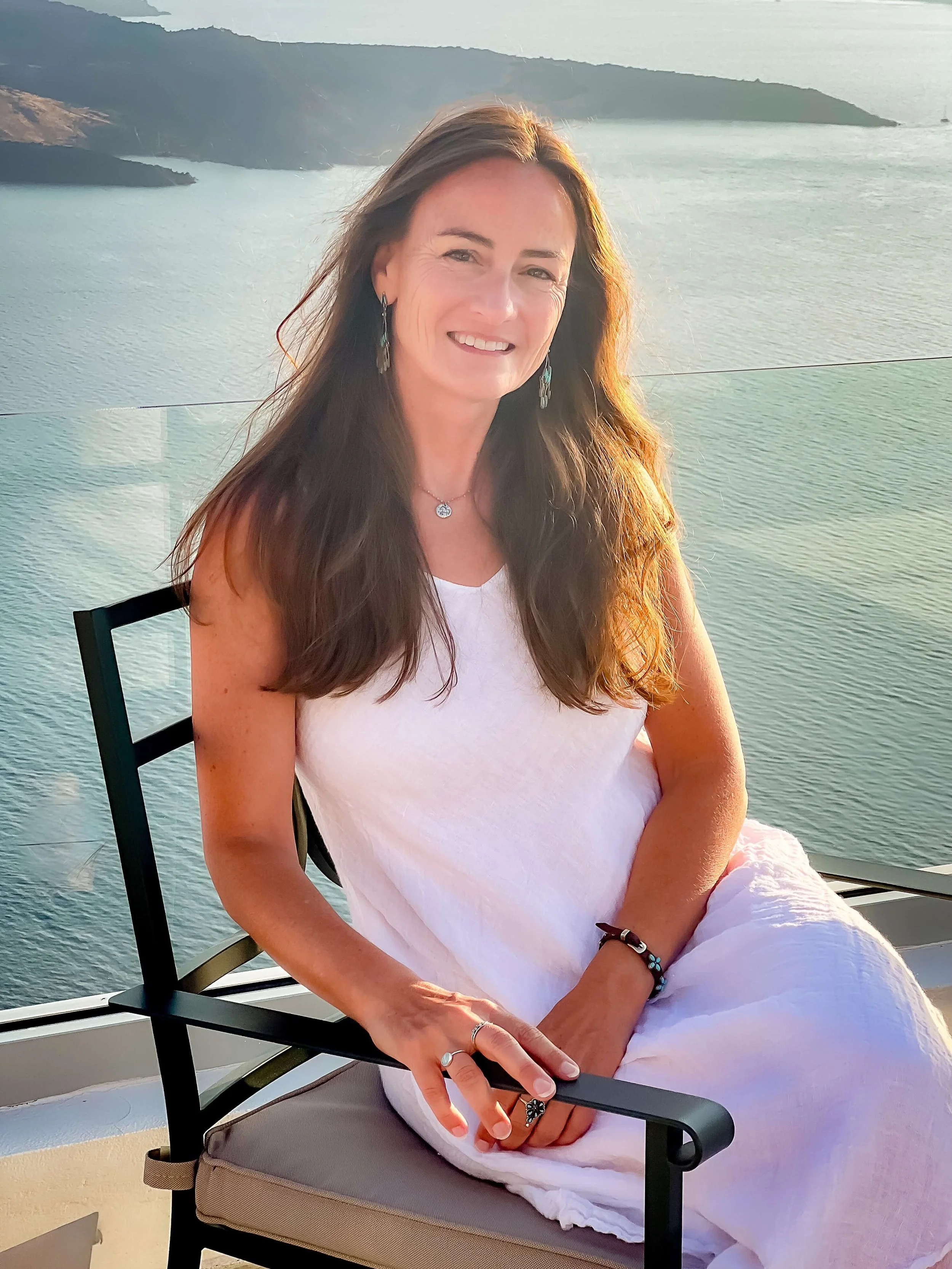
Christy McConnell
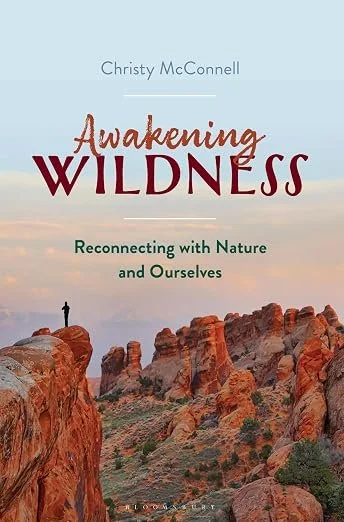
Christy McConnell, PhD is an educator, scholar, author, and ecologically-minded adventurer who has researched experience in education for two decades. A tenured professor at the University of Northern Colorado, Christy has published dozens of research articles and two books exploring ecological and aesthetic experiences. She has presented her work internationally and received numerous awards for writing and scholarship, including the designation of Master Scholar by her alma mater, University of Denver. Christy lives in Centennial, Colorado with her dogs Rugby and Ryerson. Her most recent book is Awakening Wildness: Reconnecting with Nature and Ourselves, which is personal narrative and guide for those who seek not just to walk in nature, but to be transformed by it.
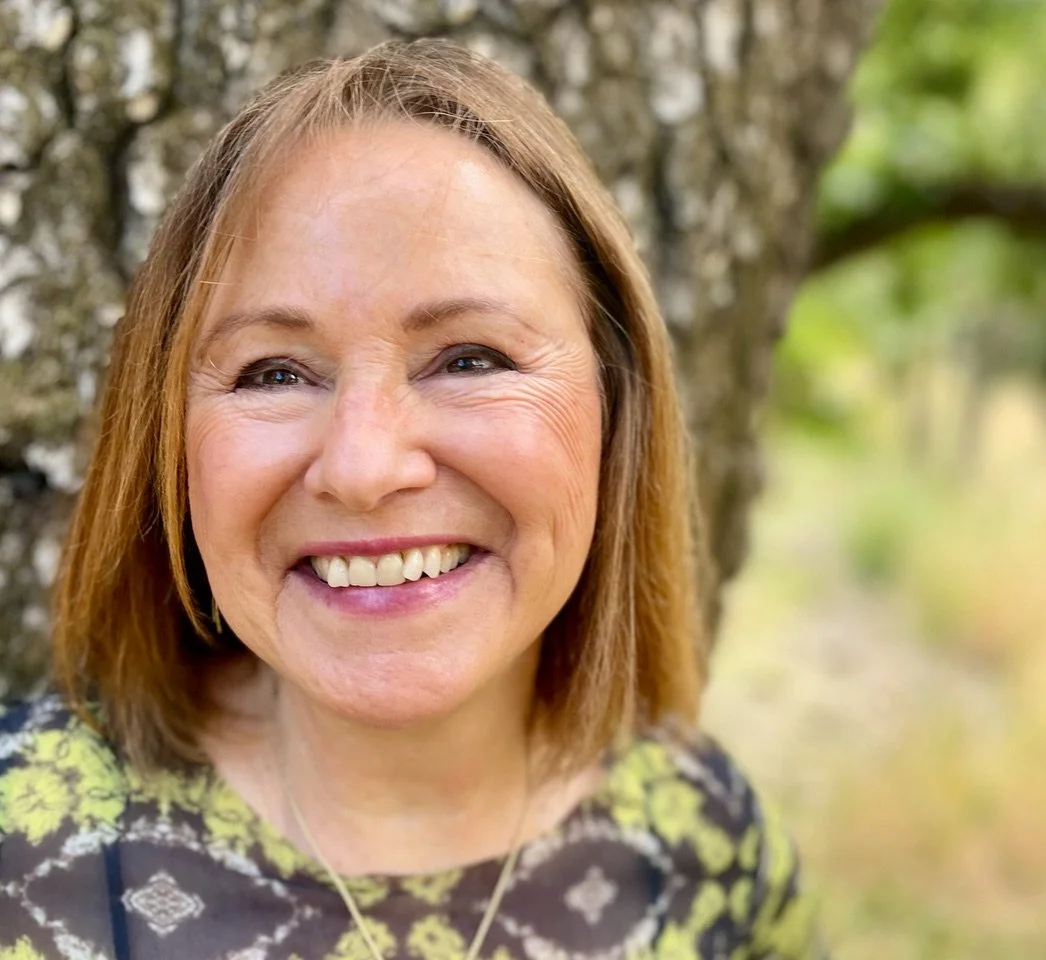
Mary Reynolds Thompson
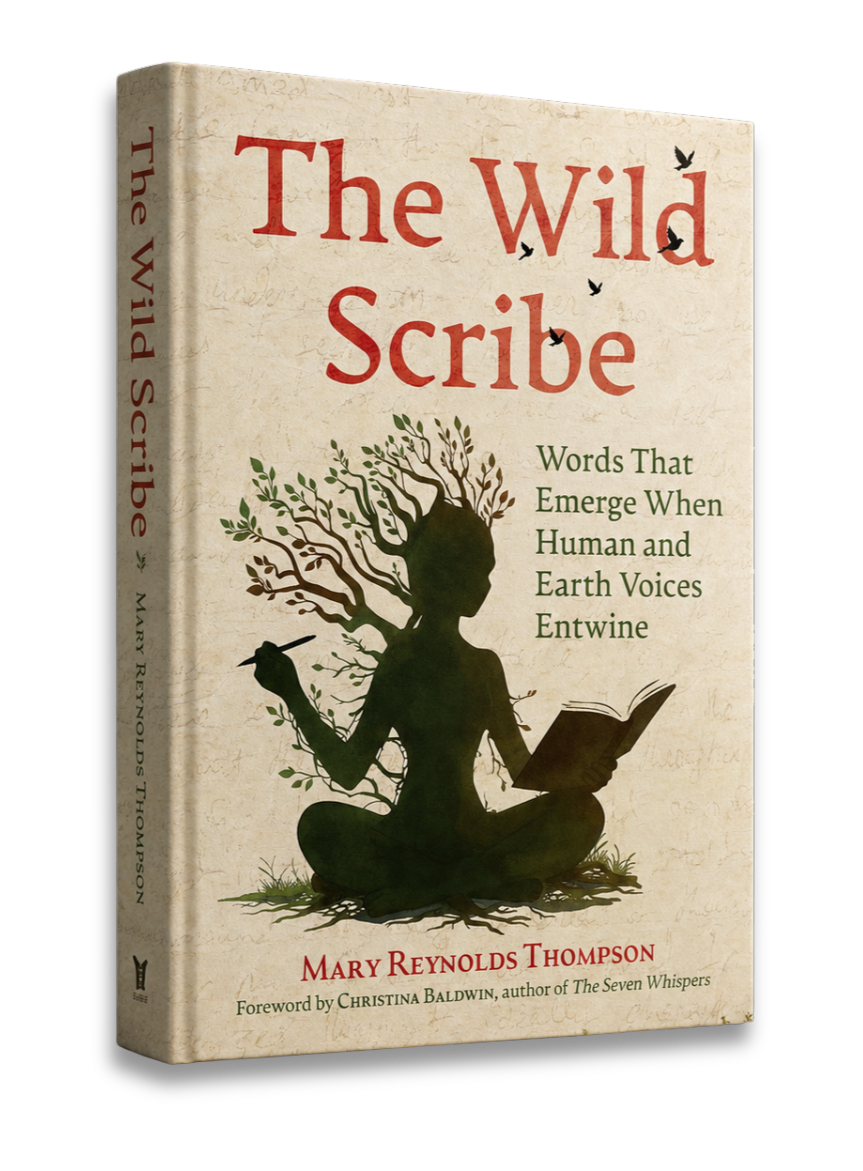
Mary Reynolds Thompson, CAPF, CJF, is an award-winning author and international speaker whose work lies at the confluence of language, landscape, and imagination. A facilitator of poetry and journal therapy, she coined the term “wild language,” a way of writing and creating co-crafted with the Earth. Through her work with Earth archetypes and nature metaphors, she invites us to break free from domestication, reclaim our untamed inner truth, and rediscover the creative force that rises when we let nature speak through us. Her books Reclaiming the Wild Soul and The Way of the Wild Soul Woman and her most recent, The Wild Scribe, invite us to return to the world—and to ourselves—with renewed wonder and wholehearted presence.
The Guest Speakers
-
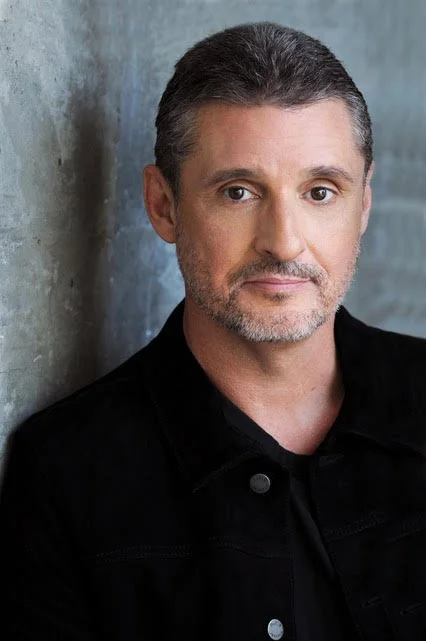
Drew Dellinger
Read full bio
Drew Dellinger, PhD, is a writer, speaker, poet, and teacher who has lectured and taught extensively across the U.S., U.K., Canada, and Australia. His writing has appeared in The New York Times, The Atlantic, and many other publications. He is author of the award-winning poetry collection, Love Letter to the Milky Way, and editor of The Poetic Cosmos: A Book of Quotations. His upcoming book, The Ecological King, has been hailed by Cornel West as “unprecedented, pioneering, and path-blazing.” As a consultant, Dellinger was a core designer of the Awakening the Dreamer symposium, used in 88 countries in 18 languages. Dellinger has taught at Prescott College, Schumacher College, Naropa University–Oakland, the Sophia Center, Esalen Institute, Hawkwood Centre, CIIS, and John F. Kennedy University, where he was Associate Professor and Director of the Program in Social Ecology. From 2020 to 2022, he was Scholar-in-Residence at the Martin Luther King, Jr. Research and Education Institute at Stanford University. Dellinger has been called “a national treasure,” by Joanna Macy, “a deep and courageous poet,” by Alice Walker, and “one of the most creative, courageous, and prophetic voices of his generation,” by Cornel West.
-
Craig Chalquist
Read full bio
Craig Chalquist, Ph.D., Ph.D. is a professor, author, and consultant who writes and teaches at the intersection of psyche, story, and imagination, with one foot in the academy and the other in the world. As a loreologist, he helps people examine the personal and collective stories they navigate by — deepening, expanding, or replacing them, so they move from being confined by these stories to authoring them.
He coined "terrapsychology," the study of how the natural world shows up intimately in human psychology, and "enchantivism," a form of storytelling that moves from injustice toward a vision of how we most want to live as a global community.
A former Associate Provost at Pacifica Graduate Institute and full professor in the Department of East-West Psychology at the California Institute of Integral Studies, he has designed and launched more than forty courses in psychology, philosophy, mythology, and ecotherapy for graduate and undergraduate students. He holds two Ph.D.s from CIIS — one in depth psychology, one in Philosophy, Cosmology, and Consciousness.
His books include Ecotherapy: Healing with Nature in Mind (edited with Linda Buzzell; Counterpoint, 2008), Myths Among Us: When Timeless Tales Return to Life (World Soul Books, 2018), and Terrapsychological Inquiry: Restorying Our Relationship with Nature, Place, and Planet (Routledge, 2020). https://www.chalquist.com/
-
Kate Thompson
Read full bio
Kate Thompson, MA, is an existential therapist, expressive writing therapist, supervisor, and writer living in the mountains above Boulder, Colorado. After a first degree in English Literature at the University of Cambridge, she retrained as a counsellor and spent 15 years with the NHS, managing primary care counselling services in East London and Sheffield before moving to the US. Her research interests include writing as a therapeutic form, autobiography, adoption, place, nature, and identity.
Her books include and Therapeutic Journal Writing: An introduction for Professionals, Expressive Writing: Counseling and Healthcare (with Kathleen Adams) Writing Routes and Writing Works: Resource Handbooks for Therapeutic Writing Workshops and Activities ( with G. Bolton and V. Field). With Mary Reynolds Thompson, she co-wrote "Inner and Outer Landscapes" for Environmental Expressive Therapies: Nature-Assisted Theory and Practice (eds. Kopytin and Rugh).
-
Jessica Carew Kraft
Read full bio
Jessica Carew Kraft writes about the slow-motion collapse of industrial civilization — mostly from a laptop, which she's aware is a problem. She argues that we evolved to live and thrive in nature and community, using our bodies on the landscape to survive, and that everything would probably be better if we let that wisdom guide our culture. Until then, hypocrisy is the default operating system for anyone trying to live ethically inside a broken machine. She includes herself in that.
Over two decades, her reporting on health, culture, and education has appeared in The New York Times, The Atlantic, Forbes, KQED, the Christian Science Monitor, ARTNews, YOGA Magazine, NBC News, and many others. Now a naturalist and wild food forager living in the Sierra foothills of northern California, she is the author of Why We Need to Be Wild (2023) and the forthcoming Fearless Women in the Outdoors (2027). https://www.jessicacarewkraft.com
-
Jackee Holder
Read full bio
Jackee Holder is co-founder of The School of Journaling and the author of four books, including 49 Ways to Write Yourself Well and the Writing With Fabulous Trees Writing Map.
A coach, facilitator and creativity specialist, she works with leaders, therapists and mid-life women who want to harness reflective writing to deepen insight, strengthen resilience and create meaningful change. Her work brings together creativity, coaching and the natural world, inviting people to slow down, pay attention and reconnect with what matters most.
A lifelong tree enthusiast and passionate advocate for finding nature in urban spaces, Jackee believes some of our wisest teachers are rooted in plain sight. Mention London’s trees at your peril and you may find yourself in an unexpectedly joyful conversation that lasts much longer than planned.
Jackee holds an MA in Creative Writing & Personal Development from the University of Sussex, writes the You, Write Now column for Psychologies magazine (UK), and believes that putting pen to paper may be one of the most quietly radical acts of our time. http://www.jackeeholder.com/
-
Osprey Orielle Lake
Read full bio
Founder and executive director of the Women’s Earth and Climate Action Network (WECAN), Osprey works internationally with grassroots, BIPOC and Indigenous leaders, policymakers, and diverse coalitions to build climate justice, resilient communities, and a just transition.
She sits on the executive committee for the Global Alliance for the Rights of Nature and on the steering committee for the Fossil Fuel Non-Proliferation Treaty. Osprey’s writing about climate justice, relationships with nature, women in leadership, ancestral futures, and other topics has been featured in The Guardian, Earth Island Journal, The Ecologist, Ms. Magazine and many other publications.
She is the author of the award-winning book The Story is in Our Bones. Osprey holds an MA in Culture and Environmental Studies from Holy Names University in Oakland and lives in the San Francisco Bay Area on Coast Miwok lands.
-
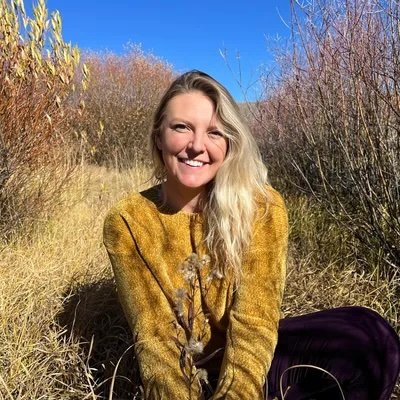
Julie Byle
Read full bio
Dr. Julie Byle’s research is interdisciplinary, spanning ecological literacy, environmental education, and ethnographic research. By studying the intersections of ecological systems, environmental education, and socio-historical dynamics, she creates culturally inclusive pedagogy and equitable evaluation practices.
She has extensive experience designing, managing, and evaluating formal and informal science education programs, as well as conducting community ethnographic research through oral histories, photo journey mapping, and community action projects. She is passionate about place-based learning and how honoring cultural funds of knowledge can challenge deficit views of marginalized communities.
Julie holds a Bachelors degree in Ecology and Evolutionary Biology, a Masters in Education and Learning Science, and a Ph.D. in Integrative Biology and Cultural Ethnography. She is founder of Nature’s Navigation: The Science of Nature Based Learning: .https://naturesnavigation.com/home
-
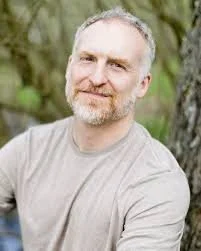
Micah Mortali
Read full bio
Micah Mortali, MA, is a leader and expert in mindfulness, rewilding, and nature connection. He is the Founding Director of the Kripalu School of Mindful Outdoor Leadership, a pioneering training program that certifies mindful outdoor guides to lead experiences of deep connection, awe, and healing in the natural world.
He is the author of Rewilding: Meditations, Practices, and Skills for Awakening in Nature, which found its way to the International Space Station in 2022 and reportedly shaped astronaut Colonel Mark T. Vande Hei's record-breaking mission.
Micah holds a master's degree in Health Arts and Sciences from Goddard College and is committed to the belief that humans are a self-aware expression of the living earth — and that our future depends on rekindling our communication with the systems that sustain life on this planet. He lives in the Berkshires with his wife and children, where he spends his time listening to the Earth, sitting by a fire, or enjoying the sound of a brook.
-
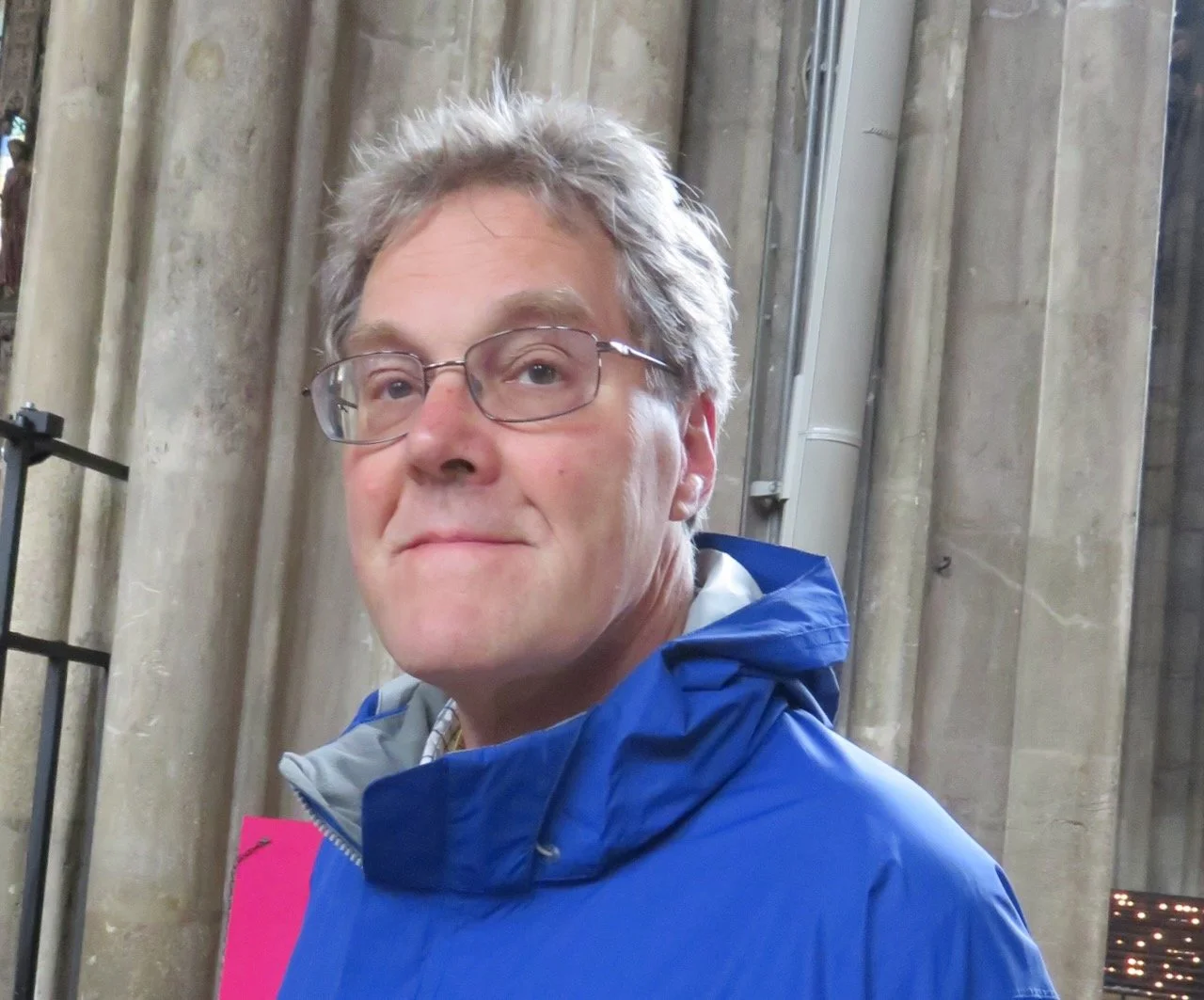
Bruce Thompson
Read full bio
Bruce Windsor Thompson served as Adjunct Faculty at the California Institute of Integral Studies, where he taught Ecological Economics. Earlier in his career he worked in corporate finance and as a professional economist for major financial institutions and consulting firms. He has been retained as an expert witness for the plaintiffs in numerous class-action lawsuits, including the Exxon Valdez oil spill. He served as Treasurer of the Strong Foundation for Environmental Values and as an activist with several environmental organizations. His passion now is researching, speaking, and writing about how to connect economics, cosmology, and the environment as a path toward a more sustainable and satisfying future for humanity. His publications include "Rethinking Economics with Bioregional Values" (Planet Drum Pulse) and "Opening Our Hearts to the Ecozoic Era" (The Ecozoic).
He received his M.A. in Economics from Stanford University in 1983, where he studied under future Fed chair Ben Bernanke as well as other Nobel laureate economists and presidential economic advisers. He later balanced this orthodox training with an M.A. in Philosophy, Cosmology, and Consciousness from CIIS in 2004.
-
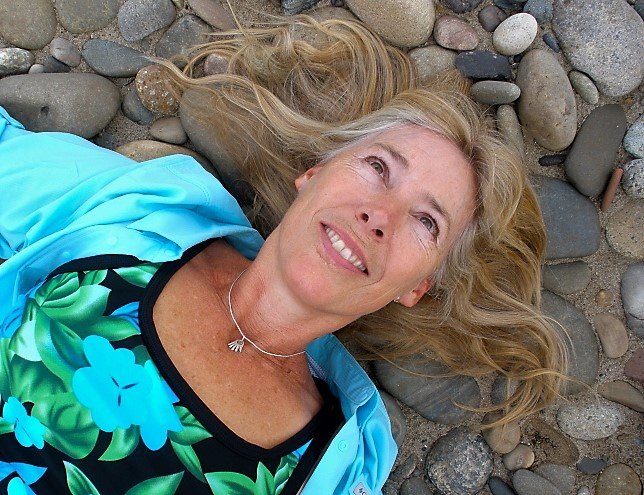
Page Lambert
Read full bio
Author Page Lambert grew up in the Colorado mountains, where she fell in love with harebells, wild onions, and gangly ponderosas. In her teens, she courted the North Platte River, cottonwood trees, horses and frogs. She’s been “writing nature” since the mid-80s, when she moved to a small ranch in the Black Hills of Wyoming. A presenter of over 500 seminars, workshops, and conferences, in 2015 she began designing and teaching two foundation courses for the MA Program in Professional Creative Writing at the University of Denver/University College.
Page’s writing is found inside monumental sculptures at the Denver Art Museum, online at Huffington Post, and in dozens of anthologies about the West. Her recognitions include nominations for the National Book Award and three Pushcart Prize nominations. A contributing author to the Willa award-winning anthology Writing Down the River, she is a recipient of the Writer’s Studio Best Fiction Award, was a finalist for the Mountains & Plains Fiction Book Award, has received two Fellowships for Literary Excellent from the Wyoming Arts Council, and is a recipient of the AROHO Orlando Nonfiction Award. Her award-winning Wyoming memoir In Search of Kinship was heralded by The Rocky Mountain News as “One of the summer’s hottest reads.”
Her agent is currently seeking a home for her contemporary novel, Lake of Longing, and she is working on a second memoir, New Moon on the Horizon, about a month spent alone in a cabin on the edge of Wyoming’s Cloud Peak Wilderness Area. An essay from that memoir, “Where Will I Bury My Dead,” is forthcoming in the magazine Terrain: Place, Climate, Justice. (Fall 2026) Website: https://pagelambert.com/
-
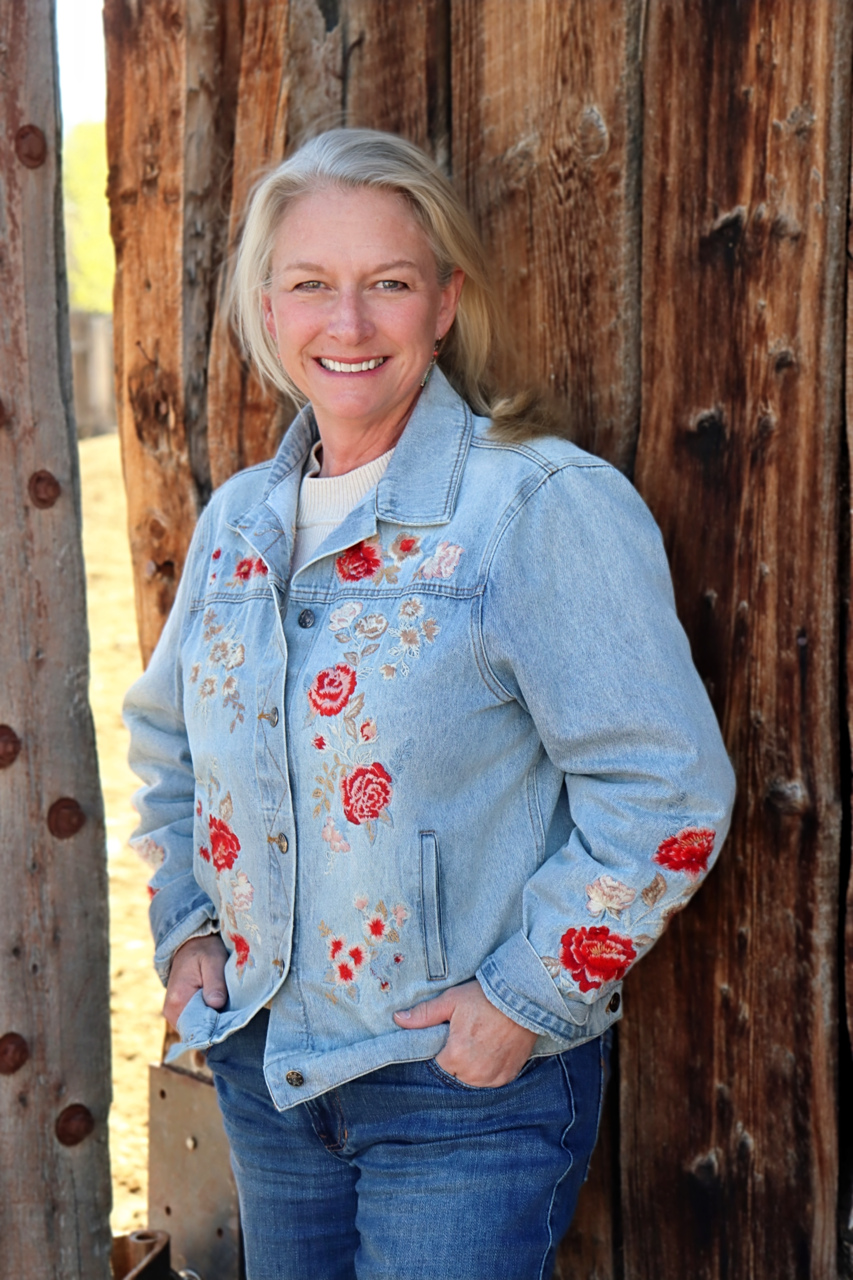
Jayme Mansfield
Read full bio
Jayme H. Mansfield is an award-winning author of historical and contemporary novels where art, nature, and human connections are common threads. As founder of Cowgirl Publishing—a publishing consultancy helping writers blaze their own trail—she brings hard-won expertise and a genuine passion for guiding and encouraging others. When she's not writing, consulting, and painting, Jayme is hosting art and writing retreats on a southern Wyoming ranch, surrounded by wide open skies and plenty of critters. For her, loosening the reins and leaning into a creative life isn't just a philosophy—it's how she lives. Her bold floral abstractions and ranch-inspired landscapes blend luscious color and playful texture—a testimony to what is acclaimed as “joyful and hopeful” art. Her newest picture book, When You Go Night Calving,releases in 2026.
-
David Orr
Read full bio
david.orr@oberlin.edu 440-935-0294
Paul Sears Distinguished Professor of Environmental Studies and Politics emeritus (1990-2017), Counselor to the President, Oberlin College 2007-2017, Professor of Practice at Arizona State University 2021-2025.
He is the author of nine books, including Peripheral Vision: Reflections from the Edge (forthcoming, 2027), Dangerous Years: Climate Change, the Long Emergency, and the Way Forward (Yale, 2017), Down to the Wire: Confronting Climate Collapse (Oxford, 2009), Design with Nature (Oxford, 2002), Earth in Mind (Island Press, 1994/2004), and co-editor of five others including Democracy Unchained (The New Press, 2020) and Democracy in a Hotter Time (MIT Press, 2023, one of Nature’s five best science picks”) and a regular columnist for Conservation Biology for twenty years. He has published over 250 articles, reviews, book chapters, and professional publications.
He has served as a board member or adviser to eight foundations and on the Boards of the Rocky Mountain Institute, the Aldo Leopold Foundation, Bioneers, and the Children and Nature Network.
He has been awarded nine honorary degrees and a dozen other awards including a Lyndhurst Prize, a National Achievement Award from the National Wildlife Federation, a “Visionary Leadership Award” from Second Nature, a National Leadership award from the U.S. Green Building Council, a Lifetime Achievement Award from the North American Association for Environmental Education, the 2018 Leadership Award from the American Renewable Energy Institute, a Lifetime Achievement Award from Green Energy Ohio, and the 2025 John B. Cobb, Common Good Award.
He has lectured at hundreds of colleges and universities throughout the U.S., Europe, and Asia. He lead the effort to design, fund, and build the Platinum-rated Hotel at Oberlin, and the Adam Joseph Lewis Center, which was named by an AIA panel in 2010 as “the most important green building of the past thirty years;” . . . “one of thirty milestone buildings of the twentieth century” by the U.S. Department of Energy, and selected as one of “52 game changing buildings of the past 170 years” by the editors of Building Design + Construction Magazine (2016).[ https://bit.ly/3bx3C7m ] He was the co-founder of The Atlanta Environmental Symposium (1973-1975), the Meadowcreek Project (1979-1900), and the Oberlin Project 2007-2017.
-
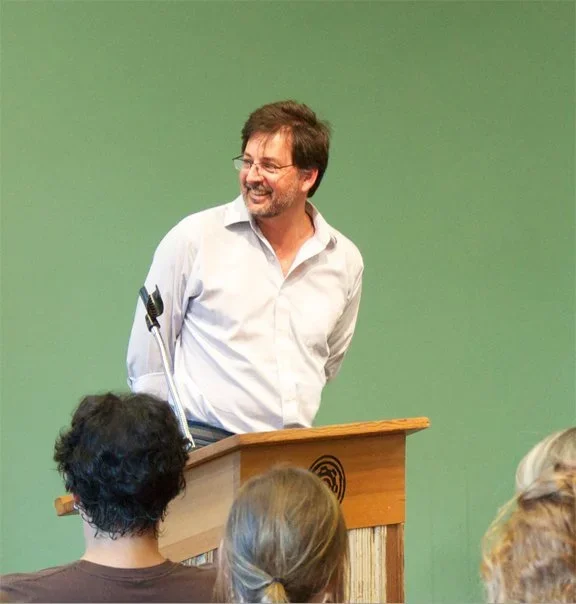
Chip Blake
Read full bio
Chip is an independent editor, book coach, writer, and ghostwriter who takes pride in helping the writers he works with strengthen their storytelling and navigate the publishing process. Along with working directly with writers, he teaches online writing courses that focus on writing craft, as well his favorite subject--the natural world. His area of expertise is memoir and long-form essay.
Prior to founding his own editorial business, he was the managing editor of Orion, a nonprofit magazine that focuses on nature and environment. In 2003 he became the editor-in-chief of Milkweed Editions, a nonprofit book publisher. In 2005 he returned to Orion, where he served as editor-in-chief until 2020.
Books and articles that Chip has edited have won the Pushcart Prize, the PEN Literary Award, the PEN-New England Discovery Prize, the John Oakes Award in Environmental Journalism, the John Burroughs Medal, the Oregon Book Award, and the ASLE Book Award. He served as a judge for the National Magazine Award for many years, and as a panelist for the National Endowment for the Arts. He was the founder of the Orion Writing Workshop, which was established at Sterling College in Vermont in 2005 (and subsequently moved to the Bread Loaf Writers Workshop, and then to the Omega Institute).
Chip is also a life-long birdwatcher and has led birding trips throughout the U.S. and Central America. His book, The Birds of the Berkshire County, will be published later this year by the Nuttall Ornithological Club.
Website: https://www.chipblake.com/
-
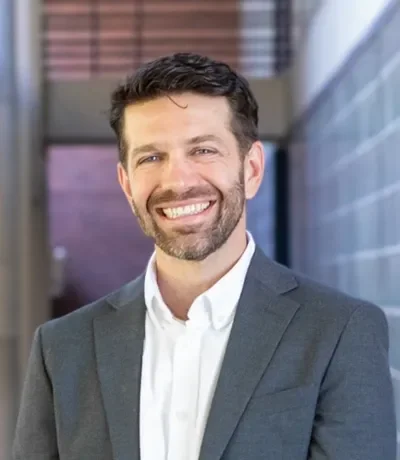
Ben Ingman
Read full bio
Dr. Ben Ingman (he/him) is the Director of Learning & Development at the University of Minnesota’s Institute on the Environment (IonE). Prior to joining IonE, he served as an Associate Director and Research Associate Professor at the University of Denver.
Ben brings experience developing and implementing innovative programming in K-12, university, and community settings. He has content expertise in a variety of areas, including environmental education, adventure education, curriculum studies, community partnership, positive psychology, implementation science, youth engagement, and research methodology. Ben’s major contributions include an exploration of adventure in education and ecological mindedness.
Ben has published over 20 refereed journal articles, presented over 50 refereed presentations, and raised over $15 Million in funding for initiatives that have resulted in thousands of positive changes in rural communities. He earned a PhD in Curriculum and Instruction from the University of Denver and a Master’s in Experiential Education from Minnesota State University, Mankato.
In his free time, he enjoys climbing, camping, and spending time with his family, Becky, Jack, Owen, and George.
-
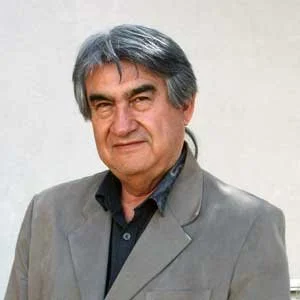
Gregory Cajete
Read full bio
Gregory Cajete is a Native American educator whose work is dedicated to honoring the foundations of Indigenous knowledge in education. Dr. Cajete is a Tewa Indian from Santa Clara Pueblo, New Mexico.
Dr. Cajete is a practicing ceramic, pastel and metal artist. He is extensively involved with art and its application to education. He is also a scholar of herbalism and holistic health. Dr. Cajete also designs culturally-responsive curricula geared to the special needs and learning styles of Native American students.
He worked at the Institute of American Indian Arts in Santa Fe, New Mexico for 21 years. While at the Institute, he served as Dean of the Center for Research and Cultural Exchange, Chair of Native American Studies and Professor of Ethno- Science. He is the former Director of Native American Studies (18 years) and is Professor Emeritus in the Division of Language, Literacy and Socio Cultural Studies in the College of Education at the University of New Mexico. In addition, he has lectured at colleges and universities in the U.S., Canada, Mexico, New Zealand, Italy, Japan, Russia, Taiwan, Ecuador, Peru, Bolivia, England, France and Germany.
Dr. Cajete has authored 12 books: “Look to the Mountain: An Ecology of Indigenous Education,” (Kivaki Press, 1994); “Ignite the Sparkle: An Indigenous Science Education Curriculum Model”, (Kivaki Press, 1999); “Spirit of the Game: Indigenous Wellsprings (2004),” “A People’s Ecology: Explorations in Sustainable Living,” and “Native Science: Natural Laws of Interdependence” (Clear Light Publishers, 1999 and 2000). “Critical Neurophilosophy and Indigenous Wisdom,” Don Jacobs (Four Arrows), Gregory Cajete and Jongmin Lee) Sense Publishers, 2010. “Indigenous Community: Teachings of the Seventh Fire,” (Living Justice Press, 2015) and Walking with Indigenous Philosophy: Justice and Addiction Recovery, by Gregory Cajete, John Hansen, Jay Hansford C.Vest and John Charlton (John Charlton Publications, 2019). His most recent books are edited volumes entitled: “Native Minds Rising” and “Sacred Journeys” (John Charlton Publications, 2020). Dr. Cajete also has chapters in 38 other books along with numerous articles and over 350 national and international presentations. He is currently working on another book manuscript entitled “Creating a Mindful Science: An indigenous Perspective.” To be released in 2026.
-
Alex DeCoteau
Read full bio
Alex DeCoteau is an Ojibwe language educator from the Turtle Mountain Band of Chippewa Indians in North Dakota, where he was born in 1965. From an early age, DeCoteau developed a deep connection to his culture and language, influenced by his grandparents, who carried forward traditional knowledge and ways of being. This early foundation sparked a lifelong passion for learning and reclaiming the Ojibwe language, as well as understanding the cultural teachings and worldview embedded within it.
As his knowledge grew, DeCoteau became increasingly involved in sharing the language with others. Community members began inviting him into schools, and what started as informal teaching gradually developed into a professional calling. He later returned to college to earn a teaching degree, with the goal of teaching Ojibwe in immersion settings and contributing to language revitalization efforts. Central to his work is the belief that language carries an Indigenous worldview, and that teaching the language is also teaching identity, values, and ways of understanding and relating to the world.
Now in his sixties, DeCoteau continues to teach both at the high school and college levels on his home reservation. He has also prioritized passing the language on within his own family, raising his son with Ojibwe as a first language beginning even before birth. Committed to lifelong learning, he remains dedicated to strengthening Ojibwe language and culture for future generations while continuing to grow in his own knowledge and practice.
DeCoteau is the co-author with Madison Mundy of the forthcoming book Seven Grandfather Teachings.
-
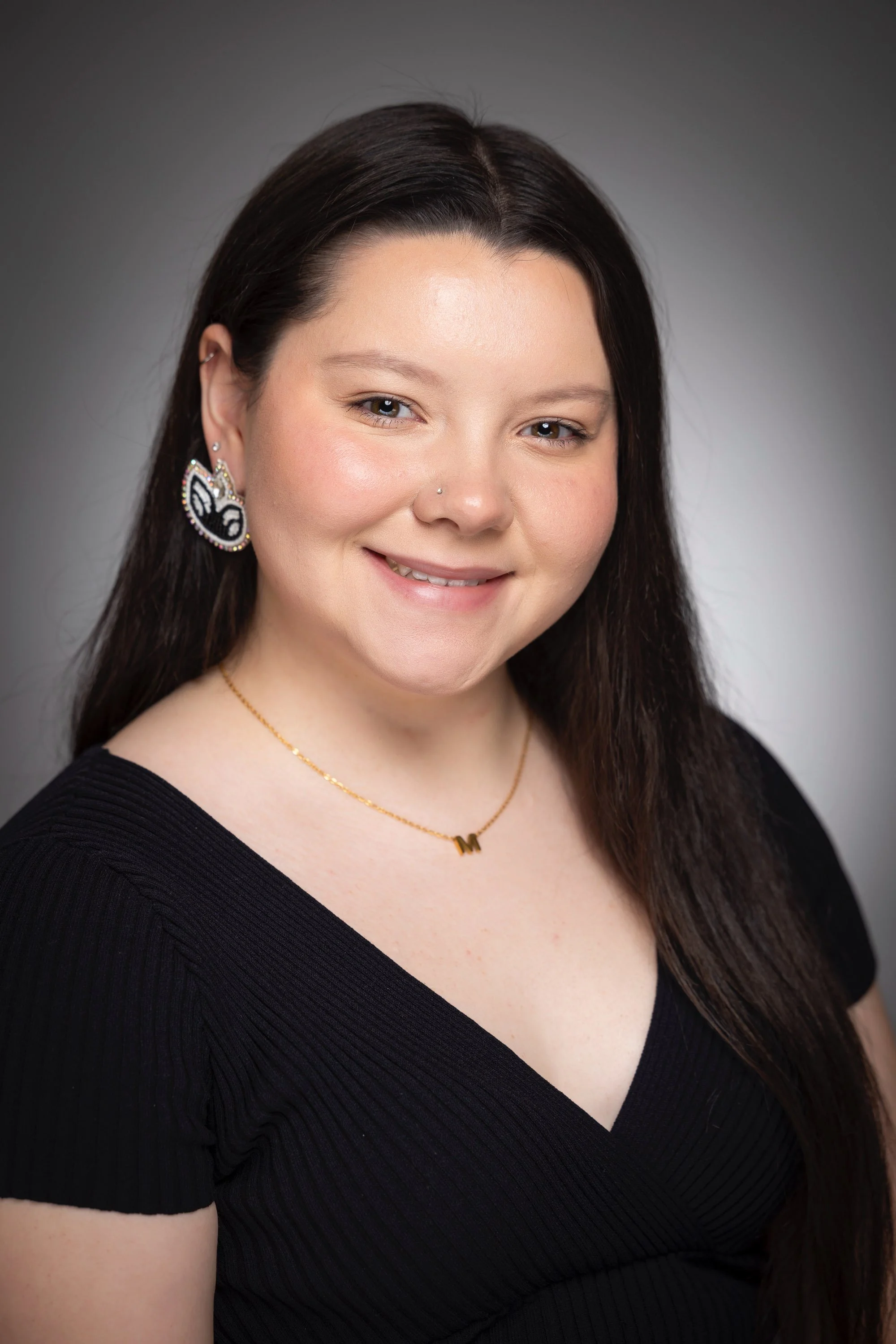
Madison Mundy
Read full bio
Madison Mundy, known as Memengwaa Ikwe (Butterfly Woman), is an enrolled member of the Turtle Mountain Band of Chippewa Indians. Raised with the culture and community of the Anishinaabe, Madison carries Anishinaabe teachings into both her professional work and her writing, where relationship and reciprocity with the natural world are frequently present.
Madison currently serves as a graduate research assistant with the CIRCLES Alliance, a six-state grant initiative supporting Indigenous students and educators and advancing efforts to indigenize curriculum across classrooms. She is also pursuing graduate studies in school psychology, bringing a culturally grounded understanding of belonging and wellbeing to her work with students and her community.
Madison is the author of an upcoming children's book series that follows the Anishinaabe Great Migration, guided by the prophecy of the Seven Fires. Spanning seven books, one for each fire and corresponding Anishinaabe Grandfather teaching, the series follows several families who journey toward the place where food grows on water, exploring how prophecy and the relationship to the land shape their path forward. The first book in the series will be released soon.
Through her work in school psychology and storytelling, Madison explores what it means to belong as an Indigenous person, to move in reciprocity with the land and its beings, and to carry ancestral knowledge forward to the next generation.
-
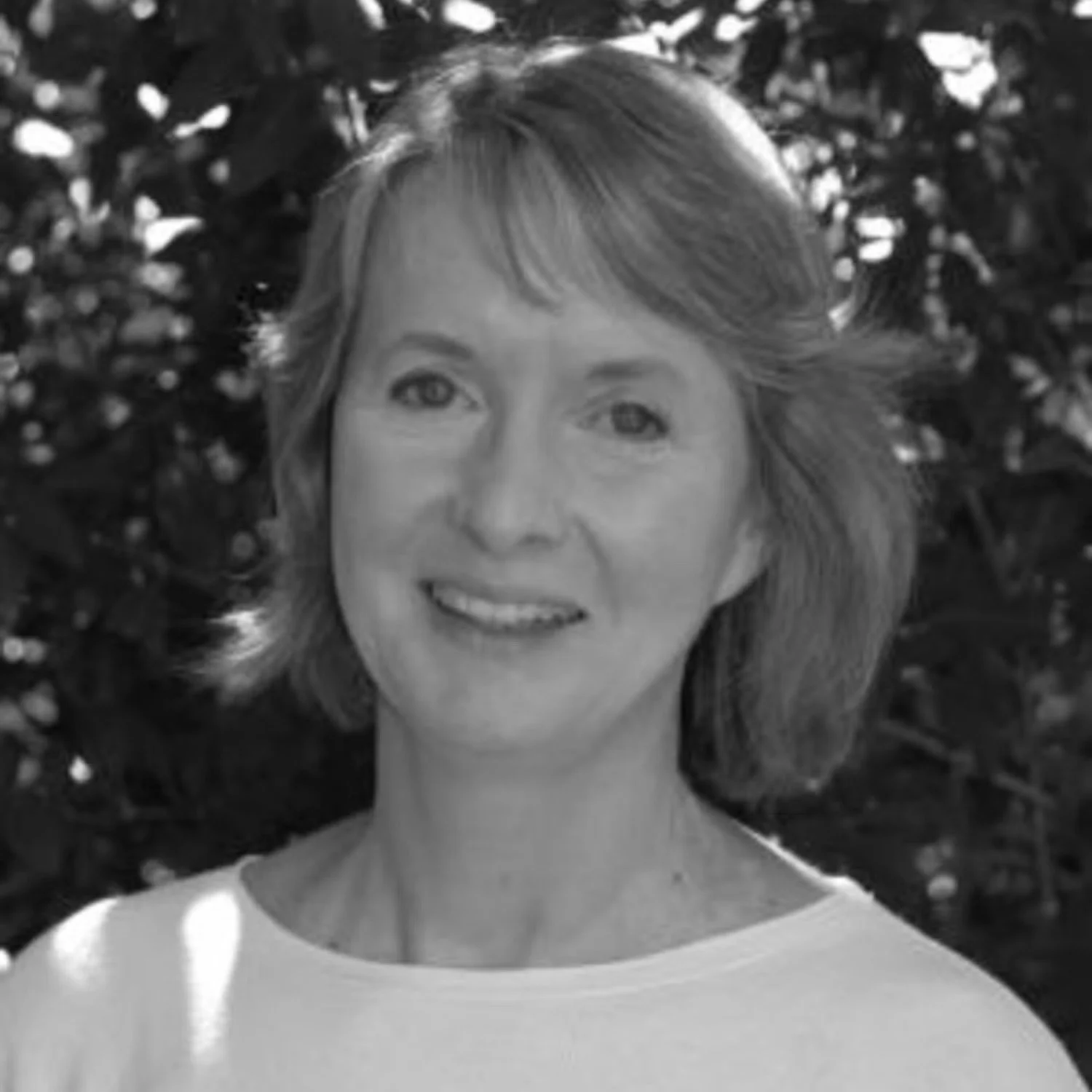
Louise Chawla
Read full bio
Louise Chawla is Professor Emerita in the Department of Environmental Design at the University of Colorado Boulder, and a Fellow in the department’s Community Engagement, Design and Research Center (CEDaR). She is an active participant in Growing Up Boulder, a partnership that she helped establish between CEDaR, the Boulder Valley School District and the City of Boulder to integrate the ideas of children and youth into urban planning and design. Formerly international coordinator of the Growing Up in Cities program of UNESCO from 1996-2006, she now serves as an advisor for a revival of this initiative that involves young people in cities around the world in evaluating and improving their urban communities. She is also a member of the Scientific Advisory Council of the Children and Nature Network. She has written three books and many book chapters and articles on children and nature, children in cities, the use of green spaces to support health and wellbeing, and the development of active care for the natural world. She is a coauthor of the book, Placemaking with Children and Youth: Participatory Practices for Planning Sustainable Communities, which won an annual Achievement Award from the Environmental Design Research Association (EDRA), and Editor and Co-Author of Growing Up in an Urbanising World, which won EDRA’s Place Research Award for its overview of the Growing Up in Cities program. For many years, she served as co-editor of the journal Children, Youth and Environments and she continues to serve on the journal’s advisory board.
Website: https://www.colorado.edu/cedar/people/louise-chawla
-
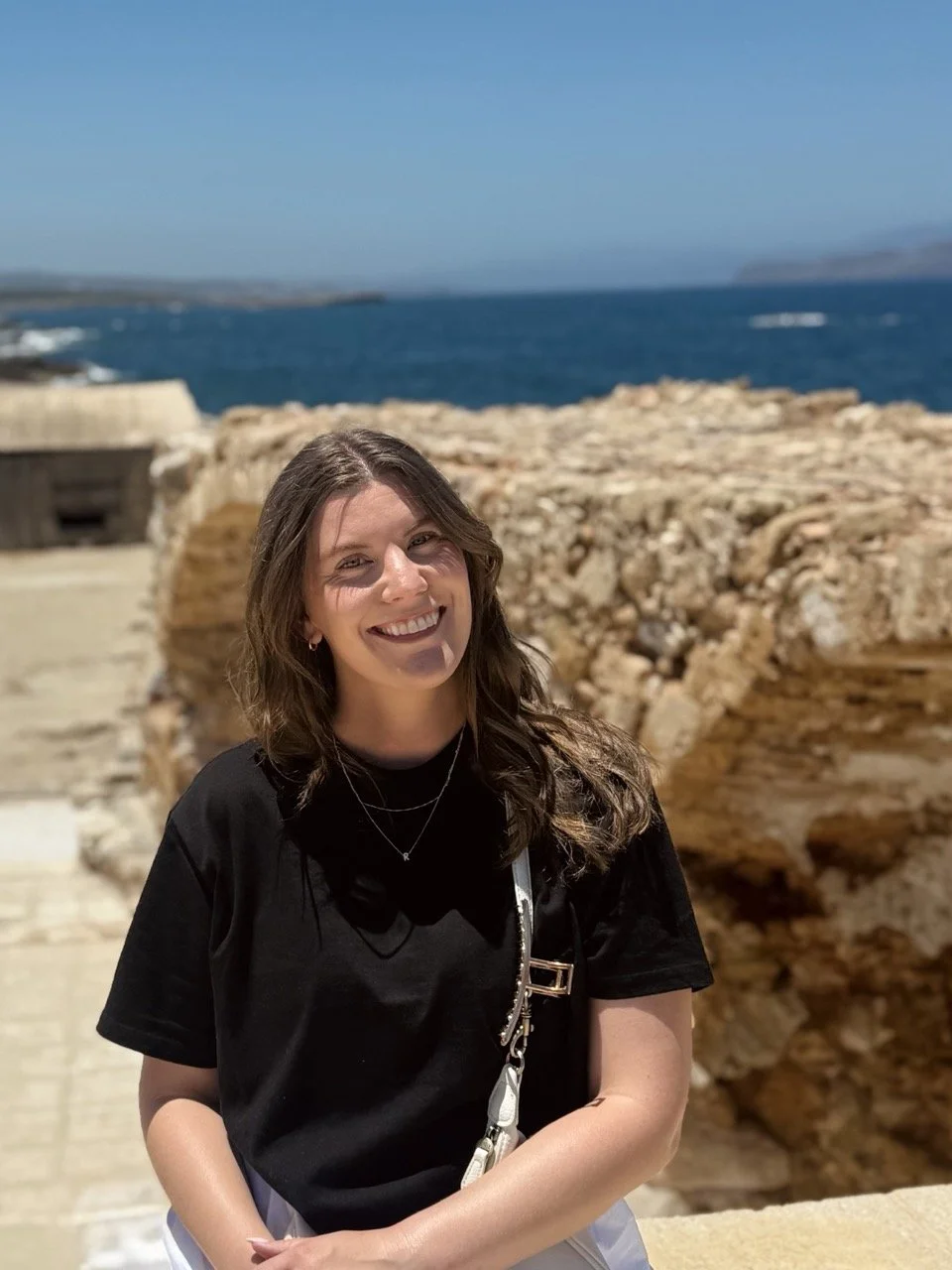
Noelle Haskell: Moderator
Read full bio
Noelle Haskell Ramirez is a passionate public-school educator and a current doctoral student at the University of Northern Colorado. She is in her fourth, and final, year of the Education Studies, Ed.D program. Prior to her time studying at UNC, Noelle studied at the University of San Francisco where she earned her Bachelor of Arts degree in Communication Studies and her Master of Arts degree in Elementary Education with an emphasis in Teaching. Noelle has an interest in a variety of education topics including the history of standardized assessments and modern-day high-stakes testing reform, as well as aesthetic and ecologically minded educational practices. For her dissertation, Noelle is excited to be researching the topic of education through the eyes of aesthetically oriented educators. During her time at UNC, Noelle has also had the privilege to work as a Graduate Research Assistant and she has also continued her career as an elementary school educator in Aurora, CO where she currently teaches 2nd Grade. Noelle has also spent time teaching Kindergarten, 1st Grade, and K-5 Intervention in both California and Colorado. When she is not teaching or immersed in her own schoolwork, you can find Noelle spending time with her sweet rescue pup, Bowen, and her husband, Justin. Whether it is simply hopping around her Denver neighborhood, soaking up time in the mountains, or travelling to a new faraway land, Noelle loves to be out experiencing life, enjoying both the old and the new, and spending time with loved ones.
A FREE Gathering
This is about coming together to explore key qualities, practices and perspectives that can sustain our relationship with nature and each other. The three topics form the animating themes in both our forthcoming books — Christy’s Awakening Wildness: Reconnecting with Nature and Ourselves and Mary’s The Wild Scribe: Words that Emerge When Human and Earth Voices Entwine. In celebration of these connections, we wish to expand the web of ideas and actions that can help us all live in a more sacred and sustainable fashion that serves both Self and Earth.
And we want as many people to join us in the sacred circle as possible.
Who this is for:
This gathering is for writers, artists, activists, ecologists, creatives, Earth-lovers, and educators — for anyone reaching to find words and ways to communicate the vital nature of listening to the land and reconnecting with the natural world as a source of wisdom and guidance. It is for anyone who longs for a community of like-minded souls doing the work of coming home to the world and to themselves.

REGISTER TODAY

When:
October 30 – November 1
Format:
Live via Zoom, three days, one theme per day
Attendance:
Come for one day or all three — whatever your life allows
This is a FREE Event
Recordings: sessions be recorded and the replay access available for those that sign up until December 14.